
 Eveclair
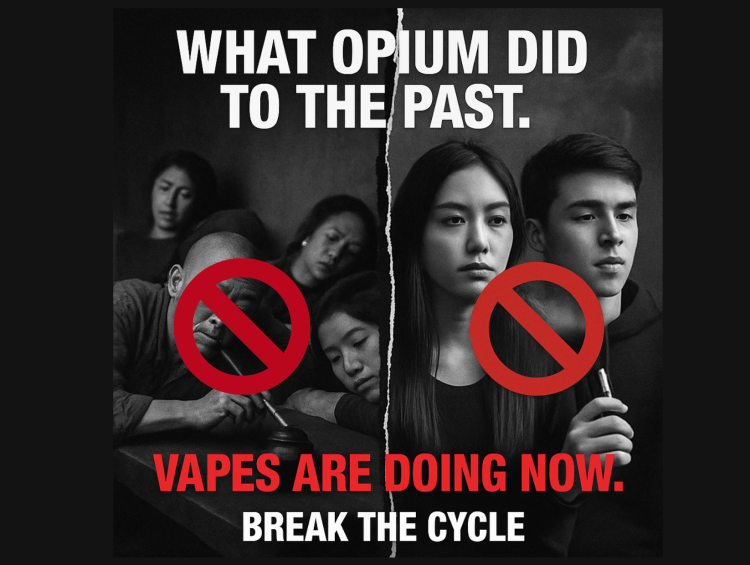
 Throughout history, society has grappled with the challenges of addictive substances. One of the most notorious examples is opium, once a widely accepted and socially embraced substance, but ultimately a scourge that devastated countless lives, families, and communities. Today, we are witnessing a similar narrative with vaping, a modern trend that many perceive as benign or even healthier than smoking. But is vaping truly a safer alternative, or are we simply repeating history’s mistakes? The time to critically assess and break this cycle is now, before more harm is inflicted.
The Opium Story: A Cautionary Tale
In the 19th and early 20th centuries, opium was sold openly in many parts of the world, including in Singapore during its colonial days. It was marketed as a harmless medicine and even a fashionable indulgence. Opium dens were social hubs where people gathered, unaware of the long-term harm the drug would bring.
The reality, however, was grim. Addiction spread rapidly. Health deteriorated for many users, families were torn apart, and society became weak and vulnerable. The social fabric frayed as addiction consumed people’s lives, pushing communities to the brink of collapse. It wasn’t until the devastating impact became undeniable that governments introduced strict bans and harsh penalties on opium.
Vaping: History Repeating Itself?
Fast forward to today, and we see a strikingly similar pattern with vaping. Marketed as sleek, modern, and a safer alternative to cigarettes, vapes quickly gained popularity, especially among youth and young adults. The tech appeal, variety of flavours, and aggressive marketing made vaping attractive and seemingly harmless.
Yet, beneath the glossy exterior lies the risk of addiction. Many young users don’t realise the powerful grip nicotine has on their brains until dependence takes hold. Vaping companies have pushed the narrative that vaping is a “safer” choice, but ongoing research reveals it is far from risk-free. Respiratory issues, cardiovascular concerns, and other health problems have emerged among users.
Like opium before it, vaping threatens to break families, weaken communities, and burden healthcare systems. The cycle of addiction and societal harm is repeating unless we take deliberate action.
Why The Cycle Must Be Broken
History teaches us that ignoring early warning signs often leads to more significant problems later. The damage from opium addiction did not just affect individuals—it reached deep into families and society as a whole. Vaping, if left unchecked, could cause similar widespread consequences.
Addiction is more than just a personal struggle. It has ripple effects:
- Families face emotional and financial strain.
- Productivity and well-being in communities decline.
- Healthcare systems become overwhelmed with chronic illness.
Recognising these consequences is vital. Governments, educators, parents, and communities must collaborate to educate the public about the real risks of vaping and prevent youth from starting. Policymakers, in particular, play a crucial role in regulating the marketing and sale of vaping products, and their actions can significantly impact the prevalence of vaping among youth.
Taking Action: Choose Health, Choose Freedom
Breaking this cycle requires awareness, commitment, and support. Here are some steps we can all take:
- Educate Yourself and Others
- Understand the risks of vaping and share the facts with family and friends. Many young people start vaping due to misinformation or peer pressure. Honest conversations can make a difference.
- Support Stronger Regulations
- Advocate for policies that limit the marketing and sale of vaping products to minors. Countries that have tightened regulations have seen reductions in youth vaping rates.
- Encourage Healthy Alternatives
- Promote activities and hobbies that support physical and mental well-being, reducing the appeal of addictive substances.
- Offer Compassionate Help
- If someone you know is struggling with addiction, offer support without judgment. Help them access professional resources and treatment.
A Hopeful Future
While vaping presents significant challenges, it does not have to lead to an inevitable disaster. By learning from the past, we have the opportunity to shape a healthier future. Opium’s story ended in tragedy because society waited too long to act. This time, we must take the initiative and pave the way for a brighter, healthier future.
Together, we can protect our families, strengthen our communities, and ensure that today’s youth grow up free from the chains of addiction. The cycle doesn’t have to repeat; our collective action can make a difference. Choose health, choose freedom, and be part of the solution.
A special thank you to @runnerkao, a dedicated Social Worker turned Content Creator, for giving youths someone they trust to turn to and for inspiring them and instilling valuable life lessons.